🛟
Visa question or emergency? ISSS (512) 245-7966 — call us and we'll help you find the right person. You're not on your own here.
CatsWeb / Bobcat Experience
Your one hub for email, Canvas, registration, holds, and your degree audit. Bookmark it — you'll live here.
CatsWeb – Students →
Registering for classes
Done through TXST Self-Service. Check for holds and your time ticket first — a single hold can lock you out until it's cleared.
One Stop – Registration →
Meet your advisor
Mandatory for some majors before you can register. Book this early each semester — good advising slots fill up fast.
Advising – find your advisor →
Staying full-time as F-1
You must keep a full course load every fall and spring. Before dropping below full-time for any reason, talk to ISSS first — it affects your status.
F-1 regulations →
Please actually read this
Academic honesty — the rule that quietly gets good students in trouble
Often it's not because anyone meant to cheat — it's because the rules here differ from what you're used to. Plain language, no jargon:
What counts as a violation
- Copying someone's work, or letting someone copy yours — yes, sharing your answers counts too
- Plagiarism: using words, code, or ideas without crediting the source
- Collusion: working together on something meant to be done alone
- Using AI tools when the assignment doesn't allow it
- Getting or giving "unauthorized help" on exams or assignments
Why it matters
Penalties range from a lower grade on the assignment all the way to failing the whole course; repeat or serious cases can be referred to the Dean of Students. The golden rule: if you're not 100% sure something is allowed, ask your professor first. "I didn't know" is not a defense here.
A note on AI tools
AI policy isn't one-size-fits-all here — it's set per professor, sometimes per assignment. Some allow AI for brainstorming or grammar checks as long as you cite it, some ban it completely, and using it where it's not allowed counts as a violation just like copying someone's work. Read the AI policy on your syllabus on day one, and when a specific assignment doesn't say either way, ask before you use it — don't assume.
We advise you to…
If a professor ever raises a concern, don't panic and don't ignore it — you have rights and a process. We advise you to read the Honor Code – Student Resources page and reach out to the Honor Code Council. And if English or the paperwork feels overwhelming, ask an NSA senior to help you understand it.
Small things, big difference
Tips to succeed
✓
Go to office hours — even just to say hi
It's the highest-leverage 15 minutes in your week. Professors remember who showed up when grading gets close, and it's the easiest way to ask a "dumb" question before it turns into a real problem.
✓
Know your minimum credit-hour requirement
If you're a freshman in the spring cohort, you'll typically need at least 14 credit hours that semester to stay in good standing — confirm the exact number for your own program with your advisor, since it can vary.
✓
Treat your GPA threshold as a hard floor
Many scholarships require you to maintain at least a 3.25 GPA every semester — drop below it and you can lose the funding. Check your specific scholarship's terms early, and don't wait until finals week to find out where you stand.
Nepal Floods · August 2026
Our home is hurting right now — and every bit helps.
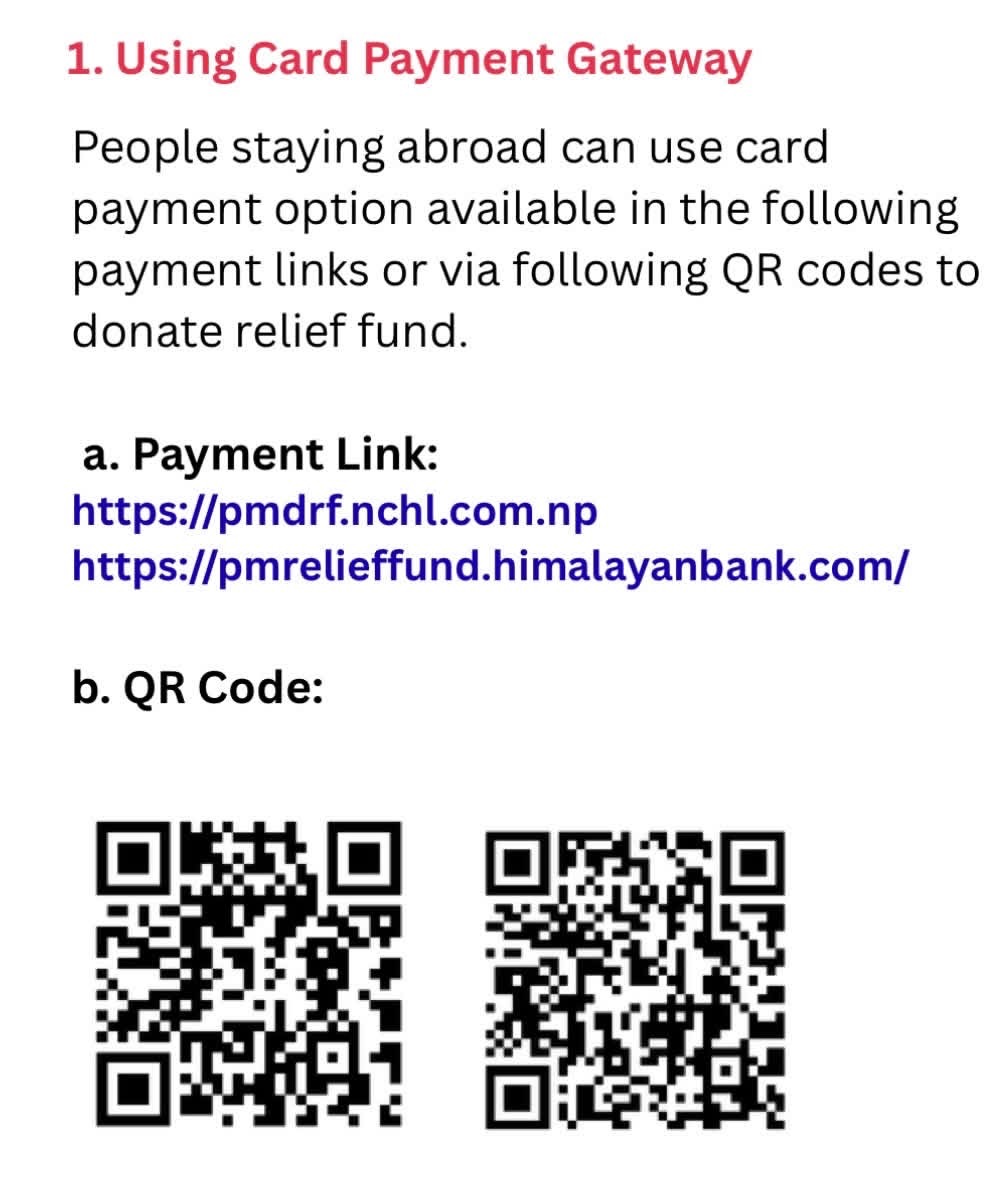
On August 26, 2026, catastrophic flash floods hit the Nepal–Tibet border region. As of September 2, the death toll has passed 1,100, with roughly 4,500 people still missing across Nepal and China. Many of us have family, friends, or hometowns directly affected. If you're able to help, even a small amount goes a long way — you can donate straight to Nepal's official Prime Minister Disaster Relief Fund (PMDRF) below.

Nepalese Student Association at Texas State University.
Community
Guides & Resources
In case of emergency
ISSS: (512) 245-7966
University Police: (512) 245-2805
University Police: (512) 245-2805
Contact us